Holidays and Months Spring Printable primary worksheets

All of our Holidays and Months Spring resources come complete with answer sheets to save time for busy teachers and parents. Input your child’s scores and keep track of your child's progress.

worksheet plans from £3.20/month
Filters

42 results

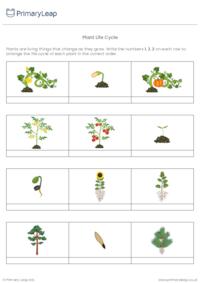
Plant Life Cycle Sorting: What Comes First?

Plant Life Cycle Sorting: What Comes First?

How do plants grow and change over time? In this KS1 science worksheet, students will learn about the life cycle of plants by putting different stages in the correct order. Featuring four different plant types, this activity helps young learners understand how seeds sprout, plants grow, and flowers bloom. A fun and interactive way to develop sequencing skills and explore the Change and Adapt theme for British Science Week.

Age: All Ages
1
2
3
Sorting Animals by Their Habitats

Sorting Animals by Their Habitats

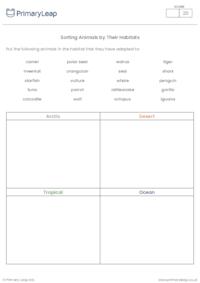
Where do animals live, and why do they belong there? In this KS1 and lower KS2 science worksheet, students will sort animals into their correct habitats, learning about the different environments where animals survive. From the icy Arctic to the hot desert, and from lush rainforests to the deep ocean, this fun activity helps children develop classification skills and understand how animals adapt to their surroundings. Perfect for British Science Week, this worksheet supports learning about Change and Adapt in a simple and engaging way.

Age: All Ages
1
2
3
How Butterflies Change and Grow

How Butterflies Change and Grow

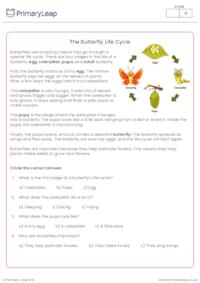
Learn about the incredible journey of a butterfly! This KS1 science worksheet introduces young learners to the four stages of the butterfly life cycle—egg, caterpillar, pupa, and butterfly. Through a simple reading passage and multiple-choice quiz, students will explore how butterflies change and adapt as they grow. This activity helps develop reading comprehension, scientific understanding, and critical thinking. Perfect for British Science Week, this engaging worksheet supports the theme Change and Adapt, helping children learn about life cycles and the importance of butterflies in nature.

Age: All Ages
1
2
3
Butterfly Life Cycle Colouring Page

Butterfly Life Cycle Colouring Page

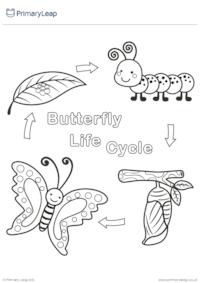
Explore the amazing transformation of a butterfly! This KS1 science colouring page teaches students about the four stages of the butterfly life cycle—egg, caterpillar, chrysalis, and butterfly. As they colour, children will learn how butterflies change and adapt as they grow. Perfect for British Science Week, this fun and engaging activity encourages observation skills, scientific thinking, and creativity while exploring the theme Change and Adapt.

Age: All Ages
1
2
3
Fizzy Rainbow Colours Experiment

Fizzy Rainbow Colours Experiment

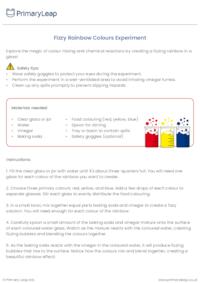
Create your own fizzy rainbow and explore the magic of colour mixing! In the Fizzy Rainbow Colours Experiment, children will combine primary colours and baking soda and vinegar reactions to create a colourful and bubbly display. Perfect for British Science Week, this hands-on STEM activity teaches kids about chemical reactions, colour mixing, and scientific observation. As the fizzing bubbles rise and mix with the coloured water, students will see a beautiful rainbow effect form before their eyes. This simple yet exciting experiment is ideal for KS1 and KS2 students, promoting creativity, curiosity, and a love for science.

Age: All Ages
1
2
3
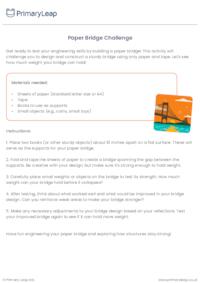
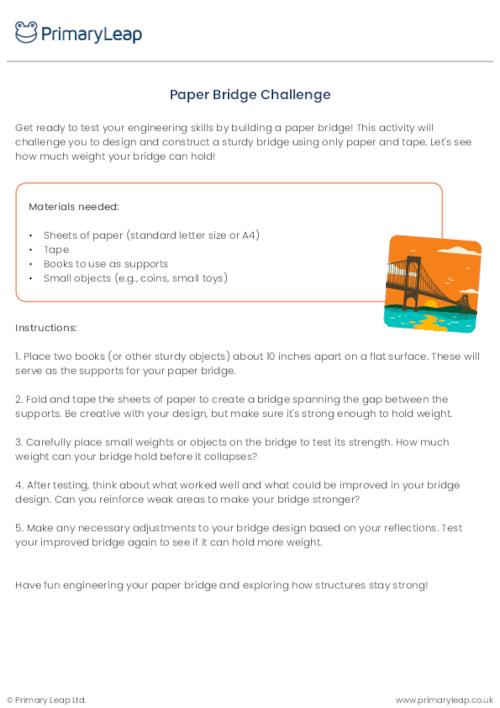
Paper Bridge Challenge – Fun Engineering Activity

Paper Bridge Challenge – Fun Engineering Activity

Put your engineering skills to the test with the Paper Bridge Challenge! In this exciting STEM activity, children will design and build a paper bridge that can hold weight using only paper and tape. Perfect for British Science Week, this hands-on activity teaches kids about structural design, force, and weight distribution. By testing their bridges with small weights, students will learn how materials and designs impact the strength of structures. Ideal for KS2 students, this activity encourages problem-solving, creativity, and a deeper understanding of how bridges stay strong.

Age: All Ages
1
2
3
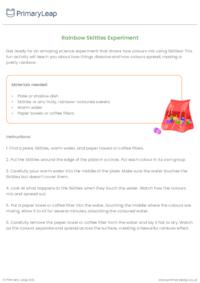
Rainbow Skittles Experiment

Rainbow Skittles Experiment

Watch colours come to life with this colourful and fun experiment! In the Rainbow Skittles Experiment, children will explore how colours mix and dissolve using Skittles and warm water. Perfect for British Science Week, this hands-on STEM activity teaches kids about colour mixing, dissolving, and how liquids interact with solids. As the colours spread out from the Skittles and create a beautiful rainbow effect, students will learn about the science of diffusion and how substances dissolve. This simple yet fascinating activity is ideal for KS1 students, promoting scientific curiosity, observation skills, and creativity.

Age: All Ages
1
2
3
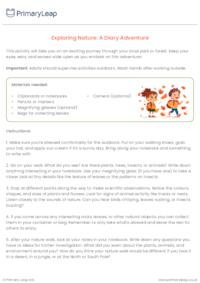
Exploring Nature: A Diary Adventure

Exploring Nature: A Diary Adventure

Embark on a nature adventure and become a scientific explorer! In the Exploring Nature: A Diary Adventure activity, children will explore the outdoors, observing plants, animals, and natural surroundings. Perfect for British Science Week, this hands-on activity encourages kids to use their senses to make scientific observations, learn about different ecosystems, and record their findings in a nature diary. Whether you're in a park, forest, or garden, students will develop observation skills, critical thinking, and a deeper appreciation for the natural world. Ideal for KS1 and KS2 students, this activity promotes curiosity, environmental awareness, and scientific inquiry.

Age: All Ages
1
2
3
Making Homemade Playdough – Fun Hands-On STEM Activity

Making Homemade Playdough – Fun Hands-On STEM Activity

Create your own colourful and squishy playdough with this fun hands-on experiment! In this Making Homemade Playdough activity, children will mix simple ingredients to explore changes in materials, textures, and creativity. This engaging STEM activity helps kids understand how ingredients combine to form a solid, encouraging sensory play and scientific exploration. Children can personalise their playdough with food colouring, glitter, or scents, making it an exciting and creative experience. This activity is ideal for KS1 students, promoting fine motor skills, problem-solving, and imaginative learning.

Age: All Ages
1
2
3
Lemon Volcano Experiment – Fun STEM Activity

Lemon Volcano Experiment – Fun STEM Activity

Get ready for a fizzy eruption with the Lemon Volcano Experiment! In this exciting hands-on STEM activity, children will explore chemical reactions by mixing lemon juice and baking soda to create a bubbling, foamy volcano. Perfect for British Science Week, this simple experiment teaches kids about acid-base reactions, carbon dioxide gas, and how everyday materials can create fun science magic. Adding food colouring and dish soap makes the eruption even more exciting! This activity is ideal for KS1 students, promoting curiosity, observation, and a love for science.

Age: All Ages
1
2
3
Lava Lamp Experiment

Lava Lamp Experiment

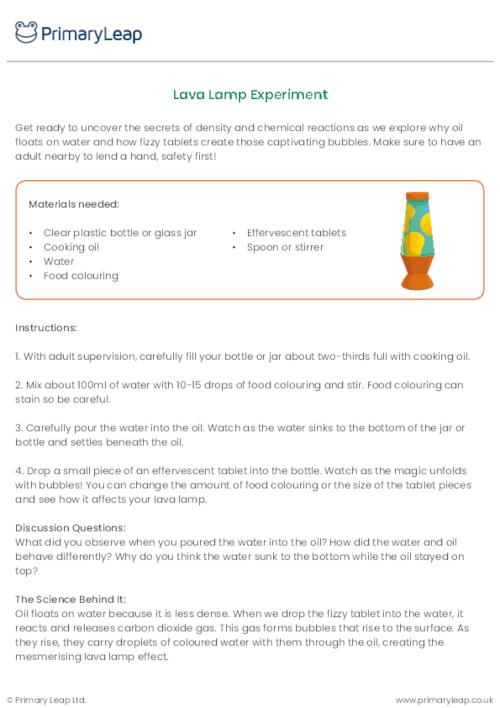
Create your very own bubbling lava lamp and explore the science behind it! In this exciting Lava Lamp Experiment, children will discover the concepts of density and chemical reactions while making colourful bubbles rise and fall. Perfect for British Science Week, this hands-on STEM activity shows how oil and water don’t mix and how fizzy tablets create mesmerising bubbles. As kids watch the vibrant blobs dance through the liquid, they’ll learn about gas formation, buoyancy, and liquid density. This fun, safe, and easy experiment is ideal for KS1 and KS2 students, sparking curiosity and creativity.

Age: All Ages
1
2
3
Catching Ice with Salt Experiment

Catching Ice with Salt Experiment

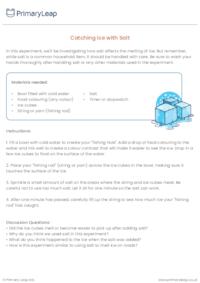
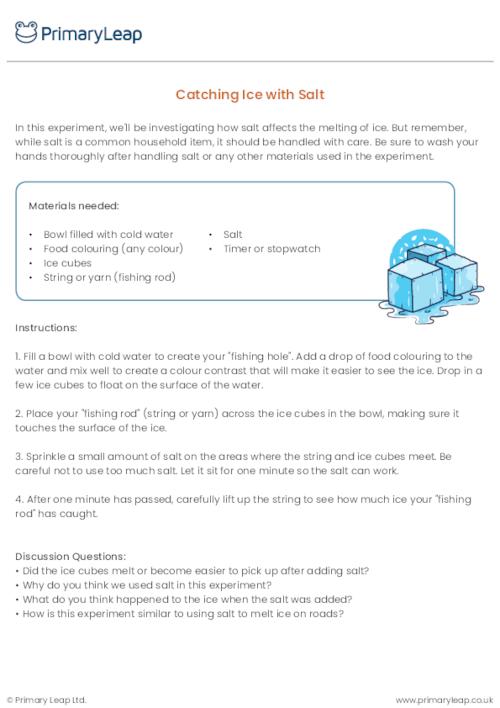
Can you catch ice with just a string and some salt? In this fun and simple Catching Ice with Salt experiment, children will explore how salt affects the melting and freezing of ice. Perfect for British Science Week, this hands-on STEM activity teaches kids about freezing point depression and how salt changes the way ice melts. As they lift ice cubes using only a piece of string and salt, children will discover real-world science used in places like icy roads. Ideal for KS1 and KS2 students, this exciting experiment encourages curiosity, observation, and scientific thinking.

Age: All Ages
1
2
3
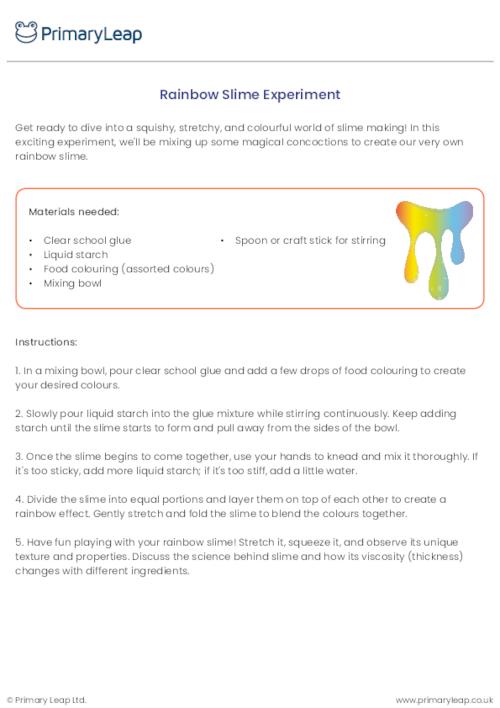
Rainbow Slime Experiment – Fun STEM Activity

Rainbow Slime Experiment – Fun STEM Activity

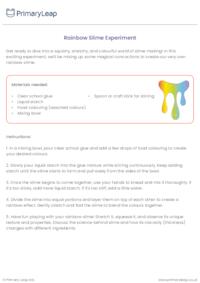
Get ready for a colourful, squishy science adventure with the Rainbow Slime Experiment! Perfect for British Science Week, this hands-on STEM activity lets kids mix, knead, and play with vibrant slime while learning about the science behind its stretchy, gooey texture. As children create layers of rainbow-coloured slime, they’ll explore concepts like viscosity (thickness), chemical reactions, and colour mixing. This fun and sensory-rich experiment encourages creativity, observation, and scientific inquiry, making it ideal for KS1 and KS2 students. It’s the perfect blend of science and play!

Age: All Ages
1
2
3
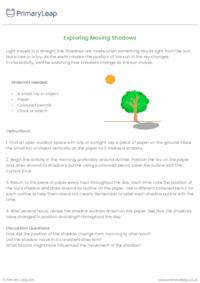
Exploring Moving Shadows

Exploring Moving Shadows

Why do shadows move throughout the day? In this engaging Exploring Moving Shadows activity, children will discover how the Earth’s rotation affects the position and length of shadows. Perfect for British Science Week, this hands-on STEM experiment teaches students about light, shadows, and how the sun’s position changes over time. By observing and tracing shadows outdoors, kids will gain a deeper understanding of how light travels in straight lines and how objects block light to create shadows. Ideal for KS1 and KS2 students, this fun outdoor experiment encourages scientific observation, recording data, and critical thinking.

Age: All Ages
1
2
3
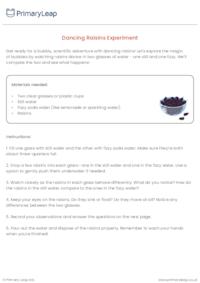
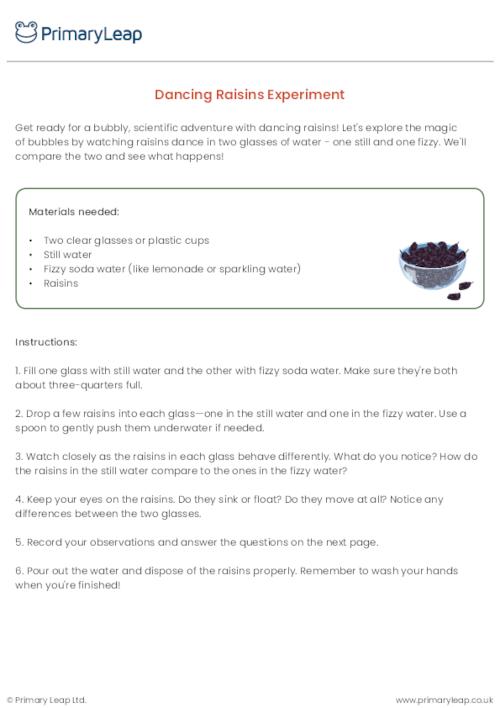
Dancing Raisins Experiment – Science Activity on Gas and Buoyancy

Dancing Raisins Experiment – Science Activity on Gas and Buoyancy

Watch raisins come to life in this fun and fizzy Dancing Raisins Experiment! Perfect for British Science Week, this hands-on STEM activity teaches kids about gas bubbles, buoyancy, and the fascinating science of density. By comparing how raisins behave in still water versus fizzy soda water, children explore how carbon dioxide bubbles cause objects to float and sink, making the raisins “dance.” This simple yet exciting experiment is ideal for KS1 and KS2 students, encouraging curiosity, observation skills, and basic scientific thinking. A perfect blend of fun and learning that brings science to life!

Age: All Ages
1
2
3
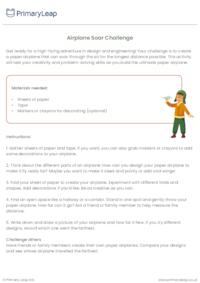
Airplane Soar Challenge – Fun STEM Activity

Airplane Soar Challenge – Fun STEM Activity

Get ready to explore the science of flight with this exciting Airplane Soar Challenge! Perfect for British Science Week, this hands-on STEM activity invites kids to design, build, and test their own paper airplanes. Children will learn about aerodynamics, forces, and engineering principles while experimenting with different designs to see which flies the farthest. Ideal for KS1 and KS2 students, this engaging challenge encourages creativity, problem-solving, and teamwork. It’s the perfect blend of fun and learning, sparking curiosity about flight and the science behind soaring objects.

Age: All Ages
1
2
3
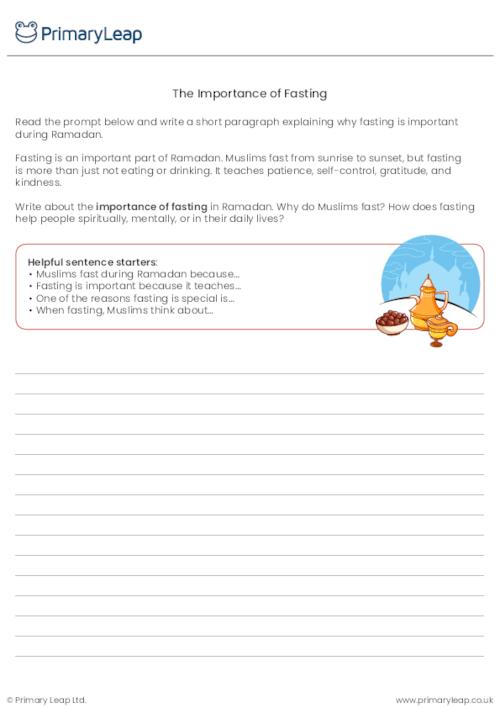
The Importance of Fasting – Ramadan KS2 Writing Activity

The Importance of Fasting – Ramadan KS2 Writing Activity

Why do Muslims fast during Ramadan? This writing activity encourages KS2 pupils to explore the meaning and importance of fasting. With a clear prompt and helpful sentence starters, students will reflect on the spiritual, mental, and personal benefits of fasting—from learning patience and self-control to understanding gratitude and kindness.This activity is perfect for Religious Studies, PSHE, or Literacy lessons, helping pupils develop critical thinking, structured writing, and cultural awareness in a fun and meaningful way. Whether in the classroom or at home, this engaging worksheet encourages interesting discussions about self-discipline, empathy, and reflection.

Age: All Ages
1
2
3
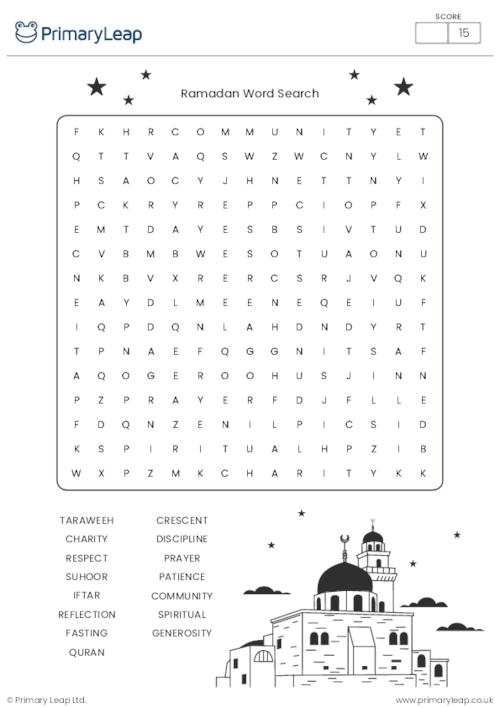
Ramadan Word Search – KS2 Challenge!

Ramadan Word Search – KS2 Challenge!

This challenging Ramadan-themed word search is designed for KS2 pupils, featuring 15 hidden words related to Ramadan traditions, values, and practices. Words can be found forwards, backwards, and diagonally, making this a great activity to enhance spelling, pattern recognition, and problem-solving skills.Pupils will search for key Ramadan-related words, including Taraweeh, Suhoor, Charity, and Generosity, reinforcing their understanding of this important time of year. This word search is perfect for classroom lessons, home learning, or as part of a Ramadan educational pack.

Age: All Ages
1
2
3
Acts of Kindness Challenge – KS2 Activity

Acts of Kindness Challenge – KS2 Activity

Encourage kindness, generosity, and empathy in your KS2 classroom with this Acts of Kindness Challenge! This interactive worksheet inspires pupils to complete small but meaningful good deeds during Ramadan, reflecting on how their actions help others.Pupils will engage in simple acts of kindness such as helping a friend, writing kind notes, and saying nice things, then reflect on their experiences through thought-provoking questions. This activity supports PSHE, Religious Education (RE), and character development, helping children understand the importance of kindness and giving during Ramadan and beyond.

Age: All Ages
1
2
3
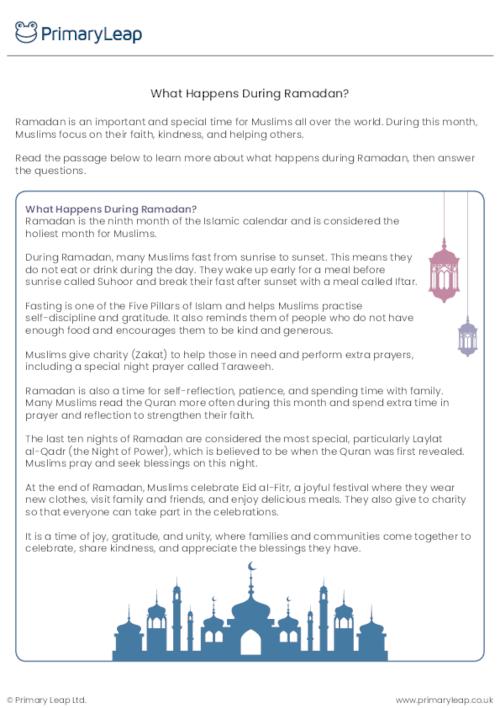
What Happens During Ramadan? – KS2 Reading Comprehension Worksheet

What Happens During Ramadan? – KS2 Reading Comprehension Worksheet

Bring Ramadan learning to life with this fun and engaging KS2 reading comprehension worksheet! Perfect for helping children understand why Ramadan is special, why Muslims fast, and how Eid al-Fitr is celebrated, this activity makes learning meaningful and enjoyable.Pupils will read a clear and engaging passage all about Ramadan and answer a mix of multiple-choice and written questions to check their understanding. It’s a great way to spark curiosity, encourage discussion, and build cultural awareness while practising reading comprehension skills!This Ramadan reading comprehension is ideal for KS2 pupils who love learning about different cultures and traditions in a way that’s interactive and engaging. Download now and bring a little Ramadan magic into your classroom!

Age: All Ages
1
2
3
KS2 Ramadan Research Worksheet

KS2 Ramadan Research Worksheet

Enhance your KS2 Ramadan lessons with our engaging Ramadan Fact File Research Activity. This worksheet encourages children to explore key facts about Ramadan, fasting, and Eid al-Fitr through independent research. Pupils will answer questions such as What is Ramadan? Why do Muslims fast? How is Eid celebrated? and complete a fact file based on their findings.This activity promotes reading comprehension, cultural awareness, and independent learning while developing pupils’ research skills. Pupils can use books, classroom discussions, or child-friendly websites to gather information. Teachers can provide research materials or guide students in safe online research.This KS2 Ramadan worksheet is an excellent follow-up task after an introduction to Ramadan, perfect for use in RE lessons, PSHE, or cultural studies. It encourages inclusivity and helps children appreciate different traditions and beliefs.Online Safety Tip: Encourage pupils to use trusted websites and check their sources when researching online. Teachers and parents should support them in finding accurate information.

Age: All Ages
1
2
3
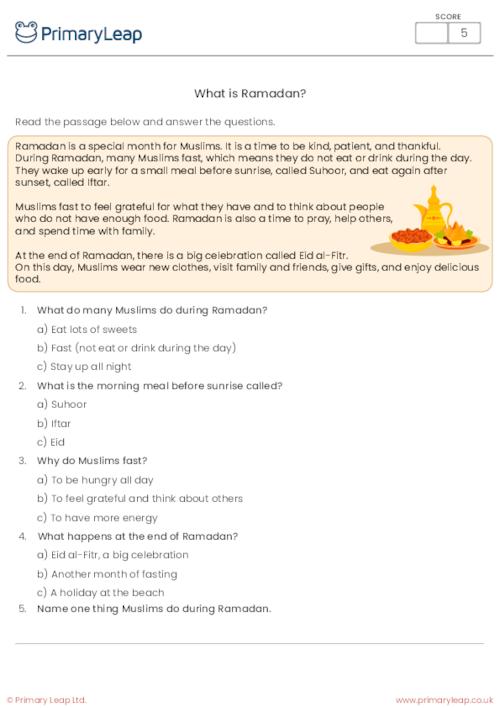
What is Ramadan? - KS1 Reading Comprehension

What is Ramadan? - KS1 Reading Comprehension

Introduce young learners to the basics of Ramadan with this KS1 Reading Comprehension Worksheet. This simple passage explains what Ramadan is, why Muslims fast, and how they celebrate Eid al-Fitr.Pupils will read the short text and answer a mix of multiple-choice and short-answer questions to check their understanding. The activity helps to build reading comprehension skills while encouraging cultural awareness and discussions about the values of kindness, gratitude, and sharing during Ramadan.This resource is perfect for use in primary classrooms, homeschooling, and religious education (RE) lessons. It can be completed independently, in pairs, or as part of a group discussion.

Age: All Ages
1
2
3
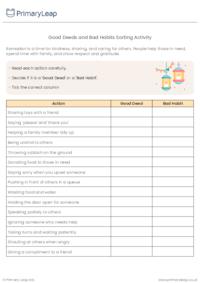
Good Deeds and Bad Habits Sorting Activity

Good Deeds and Bad Habits Sorting Activity

Help KS2 pupils reflect on the values of kindness, respect, and responsibility with our Good Deeds and Bad Habits Sorting Activity. This worksheet encourages children to think critically about different actions and decide whether they represent a good deed or a bad habit.Designed to promote positive behaviour and cultural awareness, this activity is perfect for classroom discussions, PSHE lessons, Religious Education (RE), and Ramadan-themed learning. Pupils will develop their understanding of empathy, good manners, and making thoughtful choices while exploring the importance of good deeds during Ramadan and beyond.This engaging and thought-provoking KS2 worksheet can be used as a class activity, paired discussion, or homework task.

Age: All Ages
1
2
3
Ramadan Word Search - KS1

Ramadan Word Search - KS1

Help young learners develop their vocabulary and understanding of Ramadan and Eid with this engaging KS1 Ramadan Word Search. Our simple yet educational worksheet introduces key Ramadan-themed words such as fasting, mosque, prayer, Eid, kindness, and lantern, helping children recognise and reinforce important terms in a fun and interactive way.This activity is perfect for use in the classroom or at home. It supports early literacy, spelling, and word recognition while encouraging cultural awareness. Suitable for independent learning, group work, or homework, this word search is an excellent way to spark discussions about the values and traditions of Ramadan in an age-appropriate manner.

Age: All Ages
1
2
3
Eid Moon Trace & Colour Activity

Eid Moon Trace & Colour Activity

This Eid-themed trace and colour activity features a crescent moon, an important symbol in Islam that marks the end of Ramadan and the start of Eid al-Fitr. The moon is used to determine the Islamic calendar months, making it a meaningful part of the celebration.Perfect for EYFS and KS1 learners, this activity helps children develop fine motor skills, pencil control, and creativity. Pupils will trace the crescent moon’s outline and then colour it in, making it a great addition to classroom lessons, home learning, or Eid activity packs.

Age: All Ages
1
2
3
Ramadan Lantern Trace & Colour Activity

Ramadan Lantern Trace & Colour Activity

This Ramadan-themed trace and colour activity features a lantern, a symbol of light, guidance, and celebration during the holy month of Ramadan. Lanterns, or "Fanous", are often used to decorate homes, mosques, and streets, creating a warm and festive atmosphere.Perfect for EYFS and KS1, this activity helps develop fine motor skills, pencil control, and creativity. Pupils will trace the lantern’s outline and then colour it in, making it a great addition to classroom lessons, home learning, or Ramadan activity packs.

Age: All Ages
1
2
3
Ramadan Mubarak Colouring Page

Ramadan Mubarak Colouring Page

This Ramadan-themed colouring page features the words "Ramadan Mubarak" designed with different shapes inside, surrounded by lanterns and stars. The phrase "Ramadan Mubarak" is a common greeting used to wish others well during this sacred month. The lanterns and stars add a festive touch, symbolising light, guidance, and celebration.This creative activity is perfect for KS1 and KS2 learners, encouraging fine motor skills, pattern recognition, and artistic expression while learning about Ramadan traditions. Ideal for classroom lessons, home learning, or a fun Ramadan activity pack.

Age: All Ages
1
2
3
Crescent Moon & Star Colouring Page

Crescent Moon & Star Colouring Page

This Ramadan-themed colouring page features a crescent moon and star with the words "Ramadan Mubarak" written above. The crescent moon symbolises the start and end of Ramadan, as the Islamic calendar follows the lunar cycle. The star represents light, guidance, and hope during this sacred month.Perfect for KS2 pupils, this activity helps children develop creativity while learning about Ramadan traditions. A great resource for classroom lessons, home learning, or as part of a Ramadan celebration pack.

Age: All Ages
1
2
3
Ramadan Mosque Colouring Page

Ramadan Mosque Colouring Page

This Ramadan-themed colouring page features a beautiful mosque, an important place of prayer, reflection, and community gatherings for Muslims around the world. During Ramadan, many people visit the mosque for Taraweeh prayers, breaking fast together, and strengthening their spiritual connection.Perfect for KS1 and KS2 learners, this activity encourages creativity and fine motor skills while helping children learn about the significance of mosques in Ramadan. A great addition to classroom lessons, home learning, or a Ramadan activity pack.

Age: All Ages
1
2
3
Colouring Page – A Symbol of Light

Colouring Page – A Symbol of Light

This Ramadan-themed colouring page features a single decorative lantern, often known as a "Fanous", which is commonly used to decorate homes and mosques during the holy month of Ramadan. Lanterns symbolise light, warmth, and spiritual reflection, making them an important part of Ramadan celebrations.Perfect for KS1 and KS2 learners, this activity encourages creativity and fine motor skills while introducing children to Ramadan traditions. Ideal for classroom lessons, home learning, or as a fun Ramadan-themed activity.

Age: All Ages
1
2
3
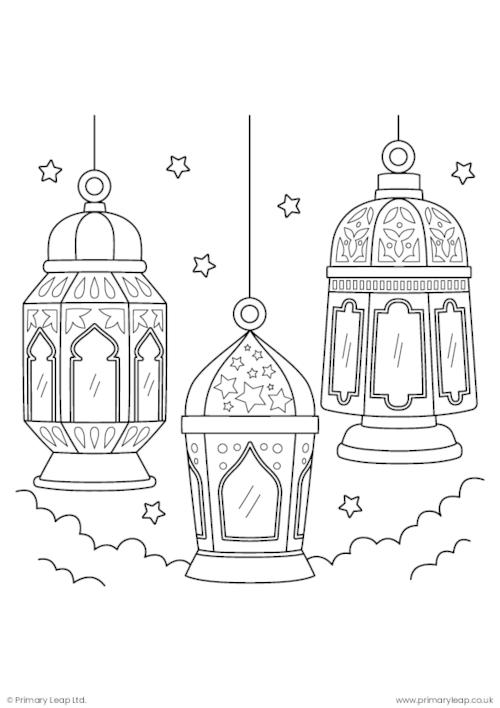
Ramadan Lanterns Colouring Page

Ramadan Lanterns Colouring Page

This beautiful Ramadan-themed colouring page features three hanging lanterns, a common decoration during the holy month of Ramadan. Lanterns, or "Fanous", are often displayed in homes, mosques, and streets, symbolising hope, guidance, and the spirit of Ramadan.This activity is perfect for KS1 and KS2 learners, helping children develop fine motor skills and creativity while learning about Ramadan traditions. Great for classroom lessons, home learning, or as part of a Ramadan-themed activity pack.

Age: All Ages
1
2
3
Ramadan Colouring Page

Ramadan Colouring Page

This Ramadan-themed colouring page features a teapot, a bowl of dates, and a traditional lantern, representing the beautiful traditions of Iftar. In many cultures, Muslims break their fast with dates and tea after sunset, a practice that has been followed for centuries. The lantern adds a festive touch, symbolising the warmth and light of Ramadan nights.Perfect for KS1 and KS2 pupils, this activity helps children explore Ramadan traditions in a fun and creative way while developing fine motor skills and creativity. A great addition to classroom lessons, home learning, or Ramadan activity packs.

Age: All Ages
1
2
3
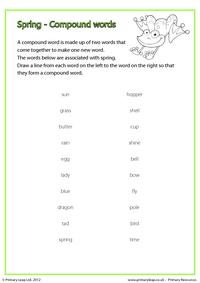
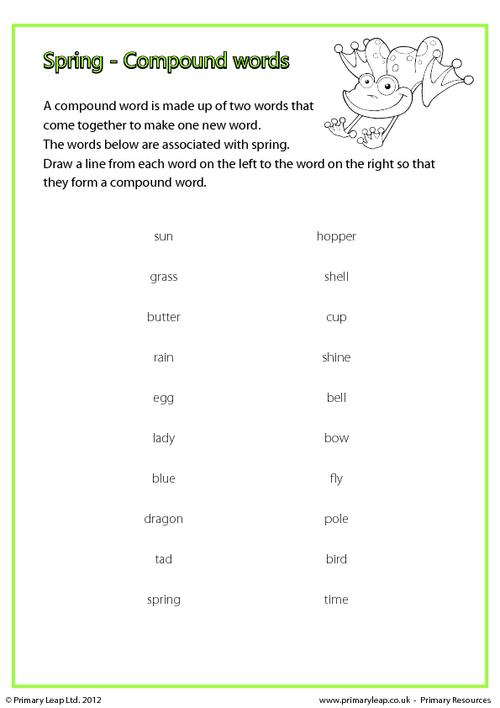
Spring - Compound words

Spring - Compound words

A compound word is made up of two words that come together to make one new word. Students are asked to draw a line from each word on the left to to the word on the right so that they form a compound word.

Age: All Ages
1
2
3
Free
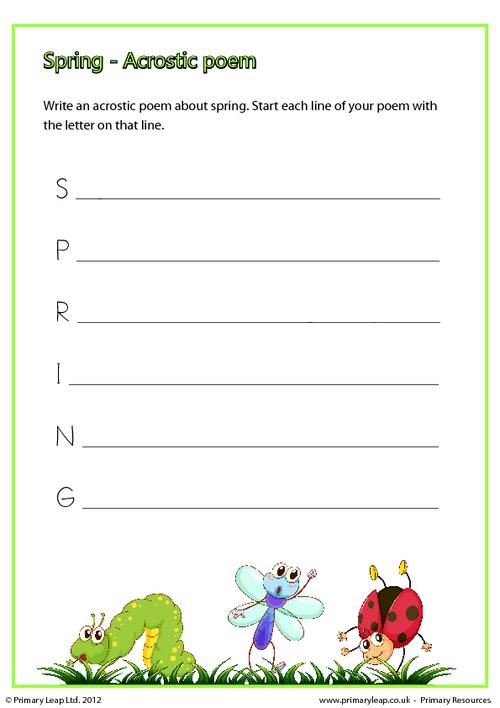
Spring - Acrostic poem

Spring - Acrostic poem

Write an acrostic poem about spring. Start each line of your poem with the letter on that line.

Age: All Ages
1
2
3
Spring - Missing letters

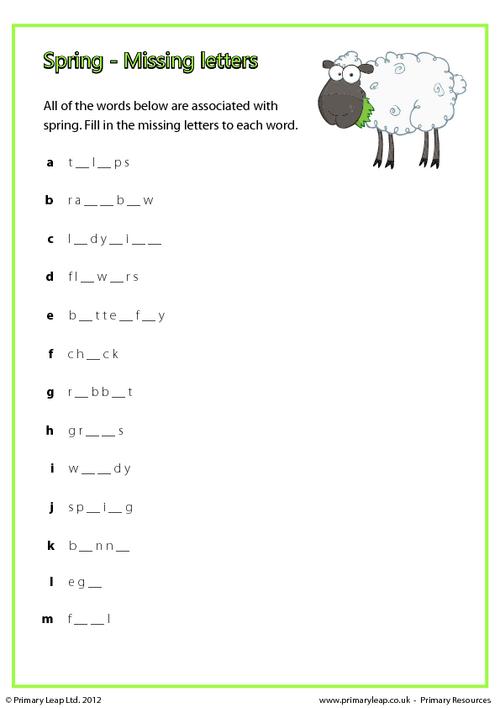
Spring - Missing letters

All of these words are associated with spring. Students are asked to fill in the missing letters to each word.

Age: All Ages
1
2
3
Spring - Word Search

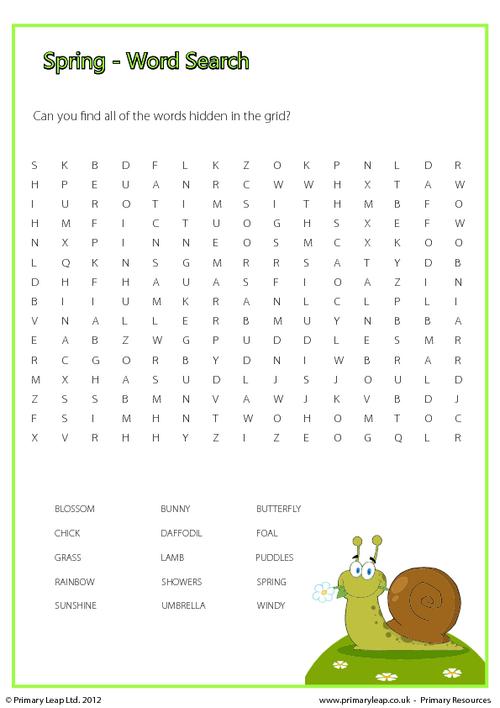
Spring - Word Search

Spring themed word search - Can you find all the words that are hidden in the grid?

Age: All Ages
1
2
3
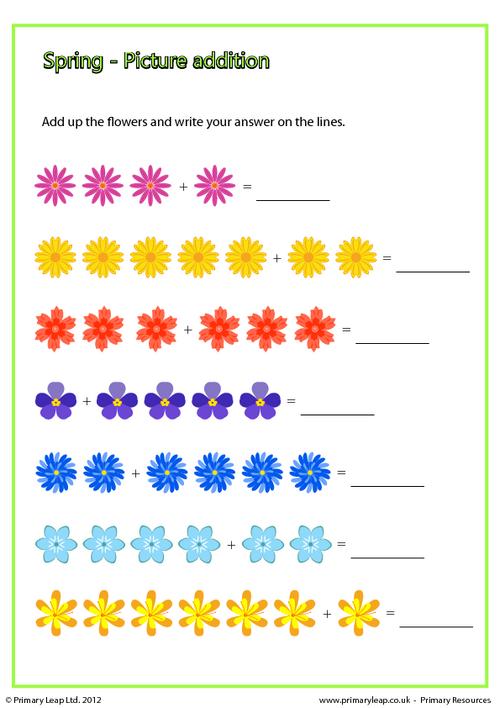
Spring - Picture addition

Spring - Picture addition

Students look at the flowers and add them correctly.

Age: All Ages
1
2
3
Free
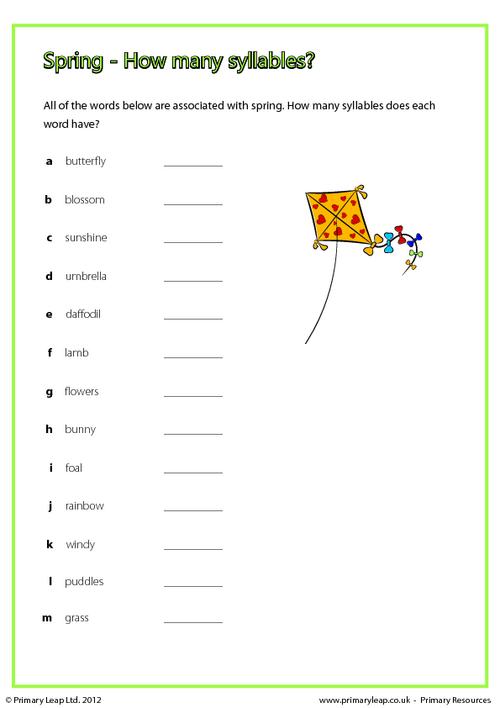
Spring - How many syllables?

Spring - How many syllables?

This worksheet includes words that are associated with spring. Students read the words and write how many syllables each word has.

Age: All Ages
1
2
3
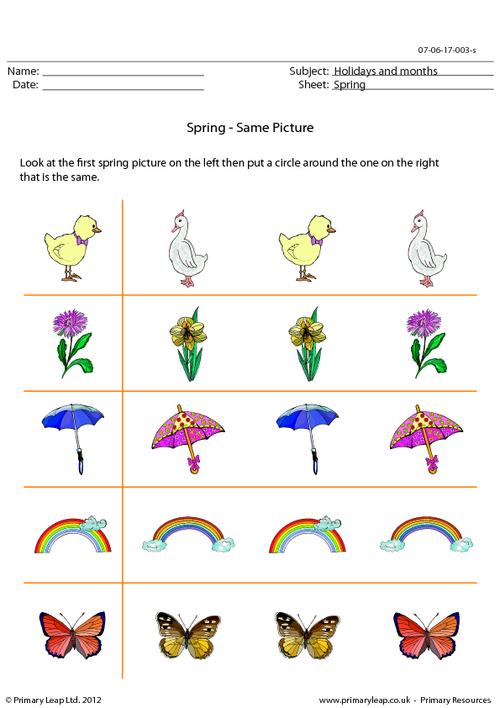
Spring - Same Picture

Spring - Same Picture

This KS1 worksheet asks children to look at the spring picture on the left and put a circle around the one on the right that is the same.

Age: All Ages
1
2
3
Free
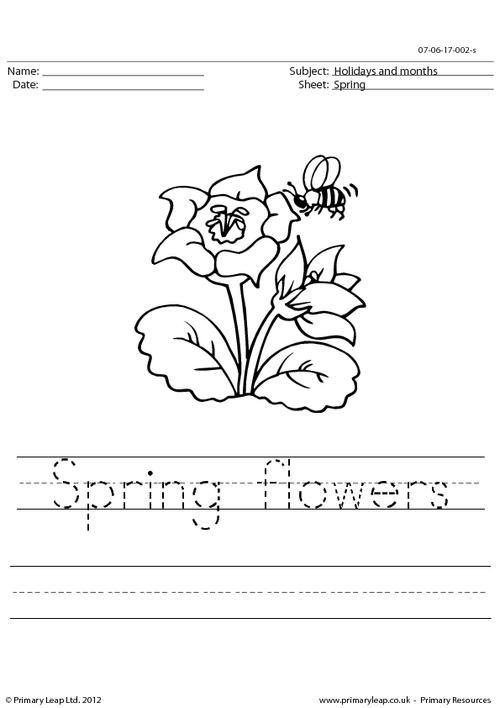
Handwriting worksheet - Spring flowers

Handwriting worksheet - Spring flowers

This KS1 worksheet is a handwriting resource with a Spring theme.

Age: All Ages
1
2
3
Free
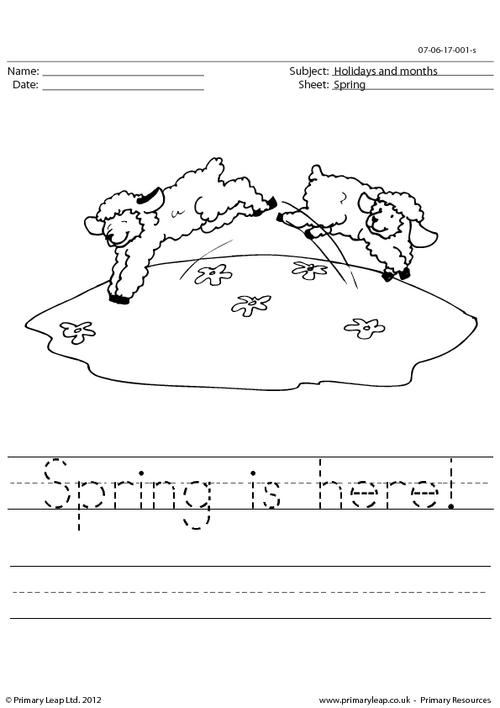
Handwriting worksheet - Spring is here!

Handwriting worksheet - Spring is here!

This KS1 worksheet is a handwriting resource with a Spring theme.

Age: All Ages
1
2
3
Free
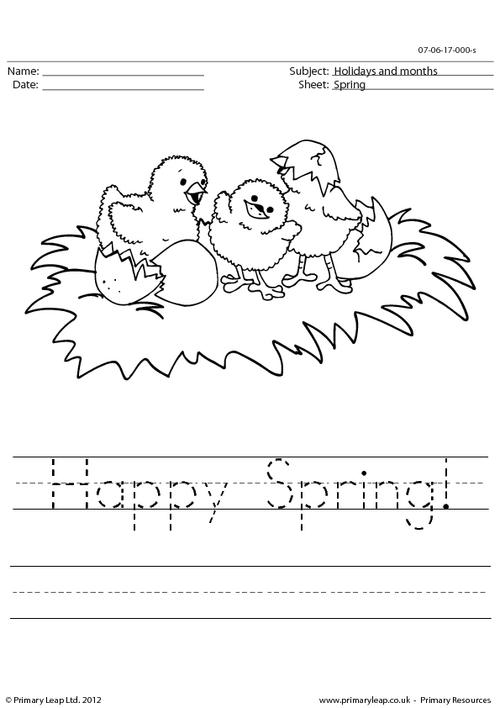
Handwriting worksheet - Happy Spring!

Handwriting worksheet - Happy Spring!

This KS1 worksheet is a handwriting resource with a Spring theme.

Age: All Ages
1
2
3
of 1

Holidays and Months Spring Worksheets - Created by teachers and loved by kids

Check out our ready-to-use Holidays and Months Spring worksheets that can be used in the classroom or at home. Simply download or print and watch your child’s confidence grow with our easy to follow Holidays and Months Spring printables.

Learn

One of the best things about printable worksheets is that they make learning fun and easy. Explore our educational resources based on Holidays and Months Spring and keep your children learning through these fun and engaging exercises.

Progress

Our Holidays and Months Spring printable worksheets are designed for progressive learning. Our engaging content enables a child to learn at their own speed and gain confidence quickly. When we help a child believe in themselves, we empower them for life.

Improve

Printable worksheets are a great way to enhance creativity and improve a child’s knowledge. Help your child learn more about Holidays and Months Spring with this great selection of worksheets designed to help children succeed.

Get exclusive access to our free content

Sign Up Now